What makes land suitable for solar? A look beyond the panels
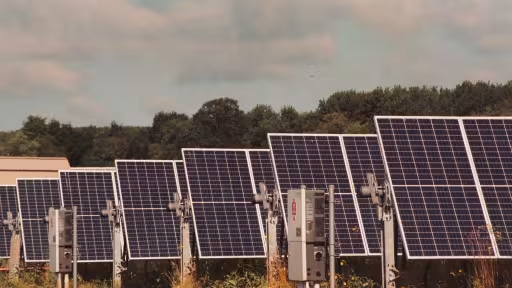
An open field is easy to imagine with solar panels. Turning that image into a workable project takes a different kind of attention: where vehicles enter, how water moves, what casts shade, and how electricity could leave the site. These details shape the opportunity long before anyone orders equipment.
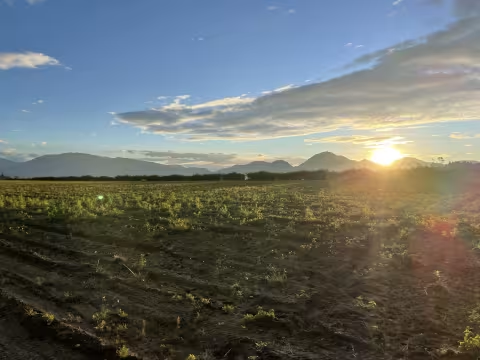
At La Lombardia, the family is exploring a possible solar use of land in Malchinguí, Ecuador. A useful assessment would turn that interest into a series of answerable questions. Each answer should help decide whether to proceed, change the idea or stop spending money on it.
Start with the land people actually use
A site plan needs to describe more than the outside boundary. It should show existing activities, access, features to retain and areas that need closer examination. A route that works for a person walking through a field may be unsuitable for construction traffic. An apparent gap between trees may have a purpose in the farm's daily work.
The family can explain how the property is used; specialists can check the conditions a project would require. Bringing those perspectives together early helps avoid a layout that looks tidy on paper but obstructs the place it is meant to serve.
The U.S. Environmental Protection Agency's site-selection guidance identifies shading, access, electrical infrastructure and competing land uses among the factors in solar siting. These are useful screening concepts. Its United States context does not establish Ecuadorian permissions or a preferred panel orientation here.
Ask what the sunlight estimate is based on
A developer should be able to explain the information behind a production estimate: the resource data, the proposed equipment, the layout and the losses included in the calculation. A reader need not reproduce the model to ask whether its assumptions are visible.
For example, does the estimate represent a first regional screen or a design developed for this particular field? What would a site visit add? Which inputs could materially change the result? Asking for those distinctions makes competing proposals easier to compare.
Treat connection as its own question
A photograph of nearby electrical infrastructure cannot answer whether a project could connect to it. The responsible electrical specialists and relevant organizations would need to establish the connection requirements and the work involved.
For the family, a practical question is who will obtain that information, at what stage and at whose cost. An attractive layout can remain only a layout if its connection assumptions have never been checked. At La Lombardia, no available connection or approved generating capacity is being announced.
Give the first assessment a useful finish
A good early report should leave the owners with a decision, not just a larger folder. We would want it to distinguish findings from assumptions, identify the most consequential unknowns and explain the next piece of work. If a constraint changes the project, that is a valuable result too.
Costs, responsibilities, land arrangements and the applicable legal and environmental requirements then need their own attention. Those discussions can develop alongside the technical work without pretending that an early screen is a completed feasibility study.
Explore La Lombardia's solar opportunity to understand the setting before proposing an assessment. The most helpful introduction explains the experience you bring and the first question your work would resolve.