Hass nutrition and fertigation: understand the evidence before the input
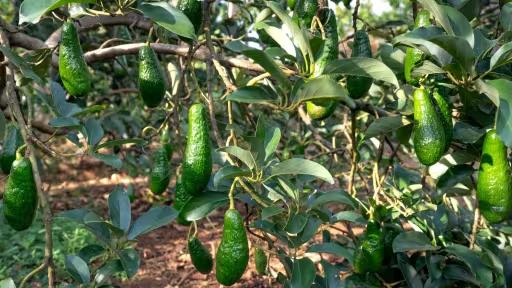
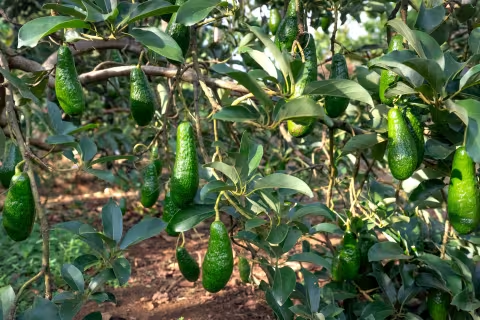
When a tree looks different from its neighbours, a fertilizer product can seem like a quick way to act. The harder—and more useful—first step is to describe what has changed. Where is it happening? When did it begin? What information would help distinguish a nutrition question from another problem?
At La Lombardia, Hass cultivation, irrigation and nutrition belong in a connected discussion. The value of that discussion is in understanding the plantation well enough to make a reasoned decision, rather than choosing an input before defining the need.
Ask what each piece of evidence tells you
A field observation, a laboratory result and an application record do different jobs. The observation identifies what drew attention. The result provides information about a sample. The record shows what was done. Bringing them together gives a professional more context than any one item alone.
The California Department of Food and Agriculture's avocado guidance uses leaf and soil analyses in assessing nutrient decisions. The transferable idea is to connect an input with evidence of need. Its California recommendations should not become a fertilizer recipe for an Ecuadorian plantation.
When discussing a result, ask what was sampled, from which part of the plantation and for which question. Keep the sample details with the report. A number is easier to interpret when the person reviewing it knows what it represents.
Account for what is already being supplied
UC IPM's avocado fertilization guidance notes that other nutrient sources matter, including nitrogen already present in irrigation water. That is a useful reminder to examine the existing situation before deciding what to add.
For a grower preparing a consultation, relevant records might include previous analyses and the products already applied, with their dates and quantities. Where information is missing, say so. An incomplete record is still more useful when its gaps are visible than when they are filled with guesses.
Fertigation describes delivery
Agriculture Victoria defines fertigation as applying soluble fertilizers through irrigation. It also explains that even nutrient delivery depends on irrigation uniformity and that incompatible mixtures can cause blockages. The delivery method therefore needs attention alongside the nutrition decision.
For someone considering a change, two questions follow: what is the intended nutrient adjustment, and can the existing system deliver it as intended? Keeping both visible helps avoid treating the presence of drip irrigation as evidence that a fertigation program is ready to use.
This article offers no mixtures, doses or injection instructions. Those require a qualified assessment of the crop, water, soil and equipment involved.
Make a recommendation possible to revisit
A useful professional recommendation should leave a grower able to explain its purpose. What need is being addressed? What observations or tests support the decision? What would be checked afterwards to understand the result?
Writing those points down helps connect a later observation with the decision that preceded it. It also keeps the grower's question visible when several products or management changes are being discussed at once.
Request Agriculture access if you would like to exchange questions about Hass nutrition, fertigation or irrigation. Bring the question and the information you already have. Any technical-support scope would be agreed individually; a request does not purchase an advice package.