Drip irrigation for Hass: look at the roots, not just the clock
Two trees can receive water for the same length of time and still experience different conditions. One may sit in soil that drains readily; another may have a different wetted area or an emitter that needs attention. A timer is useful, but it cannot describe everything happening below a Hass avocado tree.
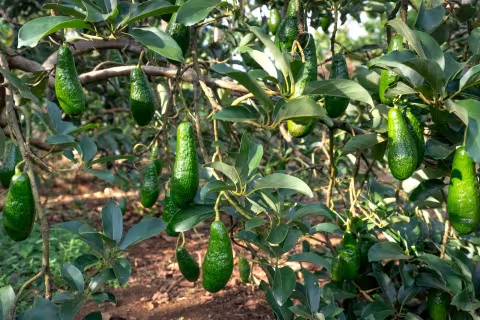
At La Lombardia, drip irrigation is part of tending approximately 1,000 Hass plants. It makes water management a practical subject for us: how to connect the operation of a system with what the plantation is actually showing.
The root zone is the point of the exercise
University of California IPM guidance for avocado emphasizes suitable irrigation amount, frequency and water quality, and cautions against waterlogging. The useful principle is that supplying water and maintaining a healthy root environment belong together. More water is not automatically a better response to a struggling tree.
That changes the question from “How many minutes?” to “What conditions are the roots experiencing?” A meaningful answer needs observations from the soil and the plant, interpreted in the context of that orchard. A schedule copied from another farm cannot supply those observations.
Follow the water beyond the emitter
Drip systems deliver water at particular points. Where that water spreads depends on the soil and the arrangement of the system. Agriculture Victoria's planning guide connects design choices with soil wetting and crop needs. Its examples help explain the relationship; they are not operating instructions for a plantation in Ecuador.
For a grower, this suggests a useful distinction: seeing water leave an emitter is one observation; understanding the part of the root zone it wets is another. A system can be running while leaving important questions about distribution unanswered.
Keep observations that can be compared
Before changing equipment or run times, it helps to organize a short field record. Note where a concern appears, when it was first noticed and whether it follows a particular row or irrigation sector. Keep relevant rainfall and irrigation records together, where available. Photographs taken from the same position can make later comparisons clearer.
These records do not diagnose a problem by themselves. They make a technical visit more productive: the person assessing the system can follow a pattern instead of starting with a vague recollection that “some trees looked different.” A practical review can then decide which measurements are needed.
Separate a symptom from its explanation
Uneven growth, a change in leaf appearance or an unexpected wet patch deserves attention. None identifies a cause on its own. Recording the observation plainly leaves room to examine irrigation alongside other possible factors, rather than increasing water simply because a tree looks stressed.
The same discipline applies when a system seems to be working well. A useful record gives the grower something to compare with later, especially after a change in equipment or management.
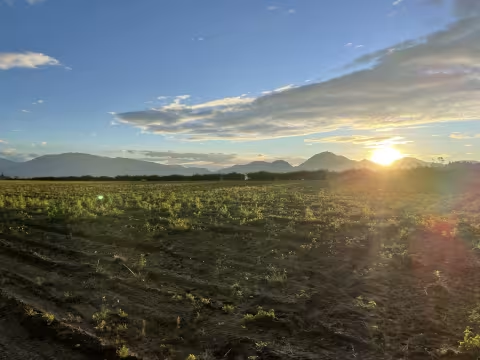
La Lombardia's owners report water supplied through Cayambe–Pedro Moncayo. That describes the farm's water-source context; an irrigation recommendation still requires local information. This article sets no watering interval or dose.
Discover the farm's agricultural work. If irrigation is your interest, bring one clear field observation and the question it raises. That is a strong starting point for exchanging experience.