Lease, sale or partnership? Reading a first solar proposal
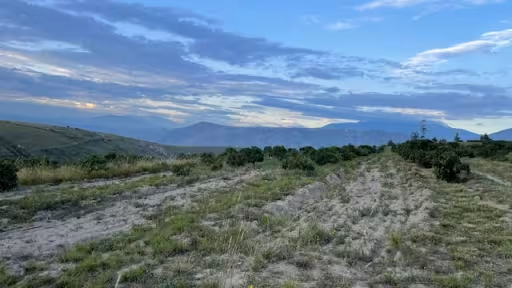
The phrase “solar opportunity” can bring together people with very different proposals. One may want to develop a project on leased land. Another may be interested in buying a property. A third may suggest that the owners participate in a venture. Understanding the proposed relationship is as important as understanding the technology.
La Lombardia's family is open to discussing lease, sale and partnership possibilities. None has been selected. For us, a useful introduction would explain what the proposer means by the chosen route and how the idea would move from interest to an informed decision.
Lease: make the proposed use understandable
In the lease route we are considering, the family would retain ownership while discussing a possible use of the land. The first question is therefore what that use would involve.
Which areas would the proposal need, and for which activities? Would the initial request be for studies, or is it already describing a longer-term project? How would access and the existing agricultural setting fit into the idea? These questions help us understand the proposal before discussing its detailed terms.
A headline payment cannot explain the whole arrangement. We would also want to understand when any payments are proposed to begin, what work would precede them and which conditions could change the offer. These are points to clarify with the relevant professional advisers, rather than terms established by this article.
Sale: be clear about the property being discussed
The family's current invitation allows consideration of a whole-property sale if the proposal and terms are suitable. A person making that approach should say so explicitly. It is a different discussion from asking to study a solar use on part of the land.
The introduction can explain the buyer's interest, the intended evaluation and the information needed to decide whether to proceed. Naming the proposed transaction early avoids building a detailed conversation around different assumptions about what is being offered.
Partnership: explain the work behind the word
“Partnership” is a starting description, not a complete structure. We would want to know who would contribute what: development work, finance, technical services, land-related participation or another role. Who would make decisions, and what would require further agreement?
It is also useful to distinguish a proposed share of a venture from a forecast of future income. A percentage alone cannot explain the responsibilities, costs or risks behind it. The first discussion should make those questions visible without pretending to settle them.
Separate exploration from commitment
Across all three routes, an early proposal can identify the next piece of work and its cost, who would commission it, and what the family would receive at the end. It can also say which decisions the results are meant to inform.
This makes a modest first step easier to evaluate than a package of ambitious promises. The family can consider a defined review or a possible visit without treating an access request as permission to enter the property or an agreement to a transaction.
Request Solar access to introduce your interest. Tell us the relationship you propose, the experience you bring and the next decision your work could support. That gives the family something concrete to consider.