A Hass plantation is more than its harvest
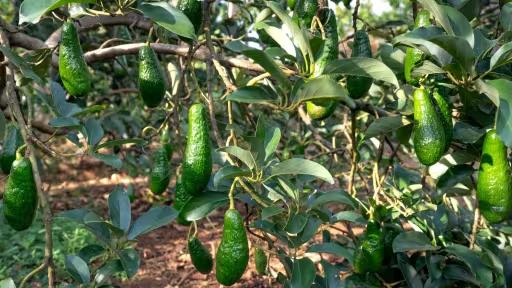
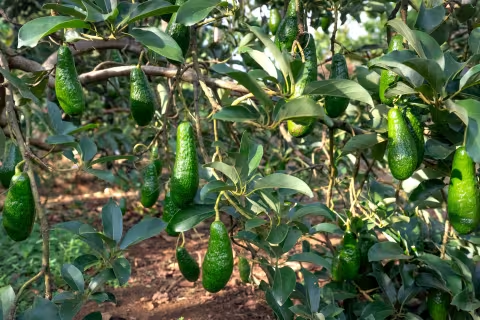
A photograph of an avocado usually begins at the end of a long story. It shows the fruit, while the land, water and decisions behind it remain outside the frame. To introduce La Lombardia, we want to bring some of that wider picture back into view.
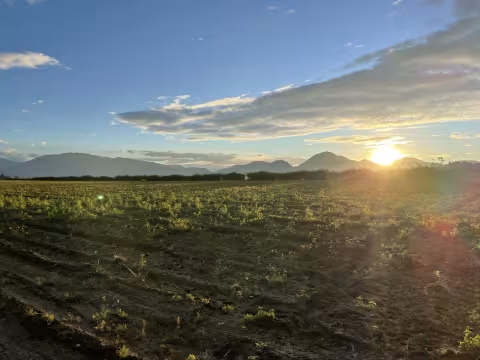
Our family property is in Malchinguí, in Ecuador's Pichincha province. Hass cultivation is part of its present identity: approximately 1,000 plants, with drip irrigation as part of their care. Those details give the story a practical starting point. They describe a plantation that needs attention, rather than a landscape that simply produces fruit on its own.
The work between planting and picking
When people discuss a crop, the harvest is an understandable point of interest. A buyer wants to know what is available; a grower wants to understand the result of the season's work. But those questions become more useful when they are connected to how the plantation is managed.
Water, nutrition and observations from the field are recurring subjects in our agricultural conversations. They are connected: a question about one part of a plantation can lead back to several decisions made along the way. Treating each input as a separate purchase leaves out much of what the grower is trying to understand.
An agricultural engineer in our family contributes to that knowledge. That is part of the knowledge behind the finca. It also gives us a reason to value exchanges that begin with the conditions of a particular plantation, instead of assuming that a familiar product or practice answers every problem.
Give observations a place to stay
A useful way to discuss agricultural work is to connect an observation with a place and a date. “This row looked different after that change” is easier to examine than a general impression that the plantation has improved or declined.
A simple record can bring together a photograph, the question it raised and the management change that preceded it, if any. The point is to make experience easier to revisit. Such notes can help a family compare recollections and give a visiting professional something concrete to examine.
We present this as a useful practice for exchanging knowledge, not as a claim that La Lombardia already holds a complete archive of its agricultural history. Photographs and family accounts can gradually enrich that history, with the family's review.

Understand what a plantation tells you
Knowing the crop and the number of plants gives someone an introduction to the farm. It does not tell a buyer how much fruit is available at a particular moment. That requires a current answer from the family, followed by agreement on the details of any possible purchase.
The same care helps when talking about future uses of the land. La Lombardia is exploring a solar possibility alongside its agricultural identity. Any serious discussion should understand what is already here: cultivation, access, family use and the features we value in the property.
Keep the conversation connected to the land
A plantation gives buyers, growers and possible collaborators different reasons to get in touch. What makes the exchange useful is a specific interest: a buying requirement, an observation about cultivation or an idea for working together.
Meet La Lombardia through Land & Agriculture. Behind the Hass is a family place, and behind a useful conversation is attention to the work that keeps it growing.